

Kansas City Exterior Professional
Unpacking the Perks: The Benefits of Fiber Cement Siding
February 18, 2026
Discover fiber cement siding benefits: unbeatable durability, fire resistance, weatherproofing & aesthetic versatility for modern homes.
Unpacking the Perks: The Benefits of Fiber Cement Siding
Why Fiber Cement Siding Stands Out for Kansas City Homes
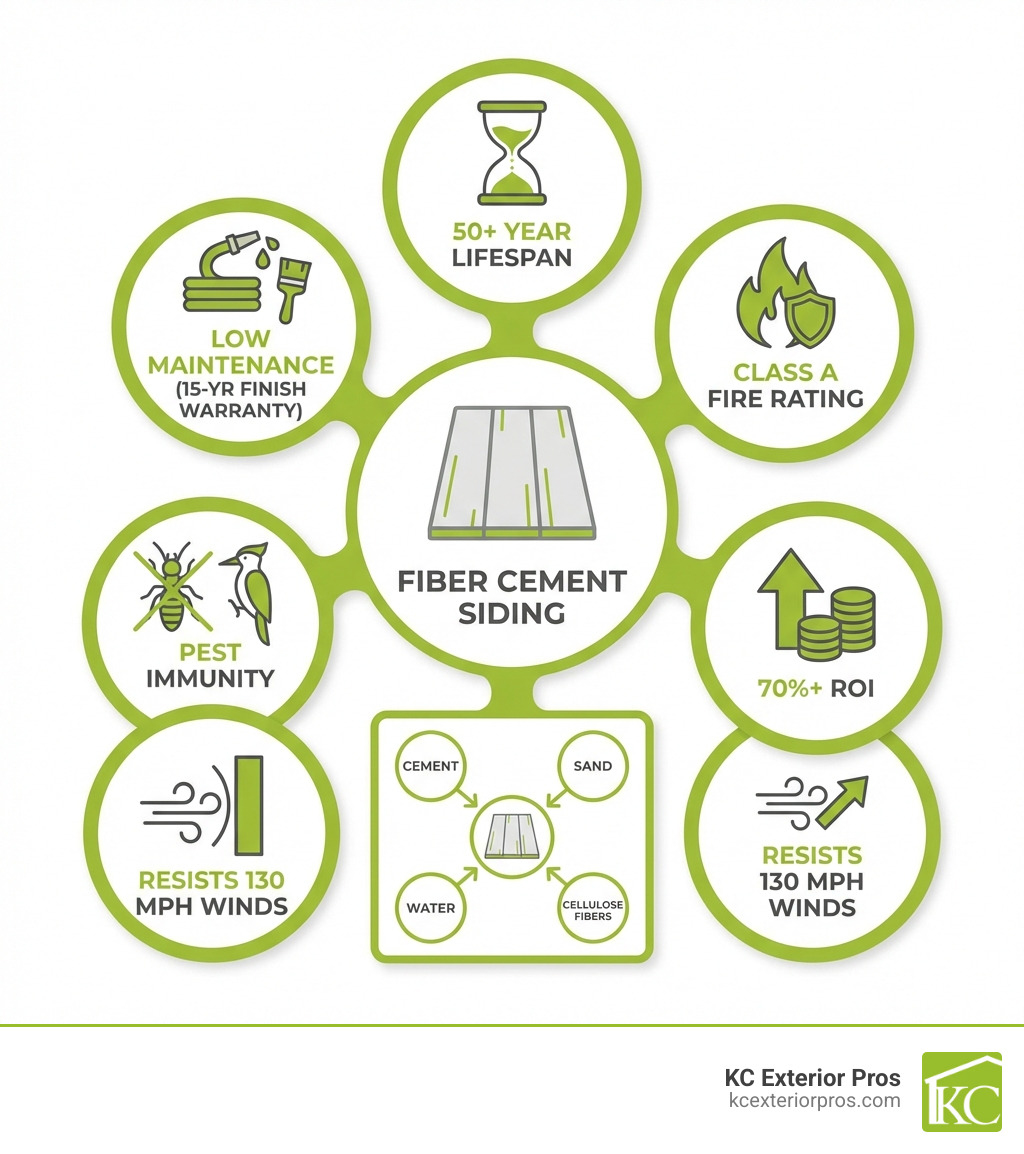
Fiber cement siding pros include exceptional durability lasting 50+ years, Class A fire resistance, superior weather performance in extreme climates, pest and rot immunity, versatile design options that mimic wood or stone, minimal maintenance requirements, and a high return on investment exceeding 70%. This engineered material resists warping, cracking, and fading while standing strong against Kansas City's harsh winters, summer storms, and high humidity.
When you're choosing siding for your home, you want something that protects and beautifies your investment for decades—not just years. Fiber cement siding delivers on both fronts, which explains why it's been trusted for over a century and is rapidly gaining market share in new construction.
Here's the reality: Your home faces constant assault from the elements. Scorching summer heat. Winter freezes. Hail storms. High winds. Wood siding rots and warps. Vinyl melts near grills and cracks in cold weather. Brick costs a fortune. But fiber cement? It's engineered to handle whatever nature throws at it.
Made from Portland cement, sand, water, and cellulose fibers, this composite material was originally patented in 1901 as "Eternit"—meaning everlasting. That name wasn't marketing hype. With proper installation, fiber cement siding can last 50 years or more, making it one of the smartest long-term investments you can make in your home's exterior.
The material is noncombustible, earning the highest Class A fire rating. It won't attract termites or woodpeckers. It won't warp in humidity or crack in freezing temperatures. And unlike wood, it requires minimal maintenance—just an occasional rinse with a garden hose.
For Kansas City homeowners tired of constant upkeep and worried about the next severe weather event, fiber cement offers peace of mind wrapped in curb appeal.
What is Fiber Cement Siding?
If you were to look at a piece of fiber cement siding on a house, you might mistake it for authentic wood lap or cedar shingles. However, under the hood, it is a scientifically engineered marvel. Fiber cement is a composite material created through a precise mixture of four primary ingredients:
- Portland Cement: This acts as the binding agent, providing the structural strength and stone-like hardness.
- Silica Sand (or Fly Ash): This serves as a filler, adding bulk and enhancing the material's resistance to the elements.
- Cellulose Fibers: These are essentially wood pulp fibers that act like a "skeleton" for the board, providing flexibility and ensuring the material isn't too brittle.
- Water: This activates the cement and helps the mixture bond during the manufacturing process.
Once mixed, these ingredients are pressed into molds—often featuring realistic wood grain textures—and baked in an autoclave (a high-pressure steam oven) to create a dense, durable board that won't rot, warp, or burn.
A Century of Innovation
While it feels like a modern "miracle" material, fiber cement has deep historical roots. It was originally invented in 1901 by Ludwig Hatschek, who patented the process under the name "Eternit." In those early days, the product actually contained asbestos to achieve its fire-resistant properties.
Thankfully, the industry evolved. By the 1970s and 80s, manufacturers perfected the modern, safer version we use today, replacing asbestos with sustainable cellulose fibers. This transition made the material safe for residential use without losing any of its legendary toughness. Today, when people ask What is James Hardie Siding?, they are learning about the industry leader that refined this century-old technology into the high-performance siding found on millions of homes today.
Top Fiber Cement Siding Pros for Modern Homes
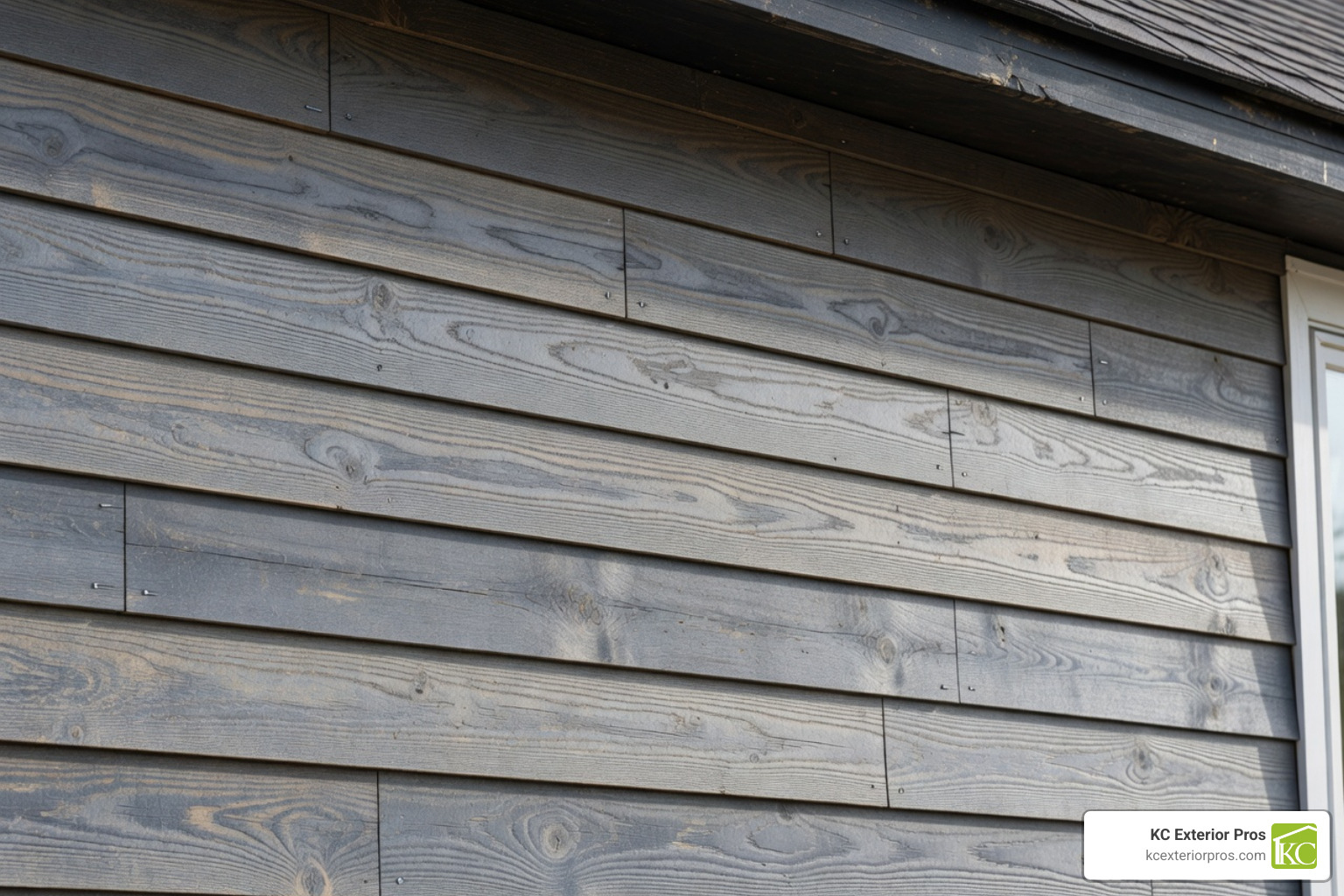
Choosing a siding material is a major decision, but when we look at the list of fiber cement siding pros, it’s easy to see why it's the "star" of the siding world. Beyond just looking good, it solves the most common headaches homeowners face with vinyl or wood.
According to a University of Minnesota study, fiber cement is one of the most sustainable and weather-resistant materials available, balancing environmental impact with incredible longevity. It also offers a massive boost to your home's resale value. In fact, replacing your siding with fiber cement consistently ranks as one of the best home improvement projects for return on investment (ROI), often recouping over 70% of the cost upon sale.
Best Durability: One of the Best Fiber Cement Siding Pros
The word "durability" gets thrown around a lot, but fiber cement actually backs it up. While vinyl siding has a lifespan of maybe 20 to 30 years (and often looks "tired" long before then), fiber cement is designed to last 50 years or more.
It is incredibly impact-resistant. Think about those stray baseballs or the occasional hail storm—fiber cement stands its ground where vinyl might crack or aluminum might dent. It also resists the "expansion and contraction" cycle that plagues wood siding. Wood swells when it's wet and shrinks when it's dry, leading to warped boards and peeling paint. Fiber cement is dimensionally stable, meaning it stays the same size regardless of the humidity level. For a deep dive into how this protects your property, check out our James Hardie Siding for Kansas City Homes: Your Ultimate Guide.
Why Fire Resistance is Among the Top Fiber Cement Siding Pros
Safety is perhaps the most underrated of the fiber cement siding pros. Fiber cement is non-combustible. It has a flame spread rating of 0 and is classified as a Class I (or Class A) material—the highest fire rating possible for building materials.
Unlike vinyl, which can melt or even ignite when exposed to the heat of a nearby barbecue grill or a grass fire, fiber cement will not contribute fuel to a fire. Many insurance companies even offer lower premiums for homes with fiber cement siding because it's 1-hour, fire resistance rated. In the unfortunate event of a fire, this material can help slow the spread, potentially saving your home and providing extra time for your family to get to safety.
Performance in Extreme Weather and Climates
Kansas City weather is nothing if not unpredictable. We get the full spectrum: bitter ice storms, humid summer heatwaves, and wind-driven rain. This is where fiber cement truly shines. Because it is moisture-resistant, it won't rot or succumb to mold even after a rainy spring.
Furthermore, fiber cement is heavy and rigid, which makes it ideal for wind resistance. Some styles are rated to withstand winds up to 130 mph—that’s hurricane-force territory! While vinyl siding can sometimes "rattle" or even blow off during a severe thunderstorm, fiber cement stays securely blind-nailed to your home's structure.
Engineered for Climate
Not all fiber cement is created equal. James Hardie, for instance, uses the HardieZone® System to tailor their products to specific regions. Here in the Midwest, we use products engineered for the "HZ5" zone, which are specifically formulated to resist freezing temperatures, snow, and ice.
This climate-specific engineering also includes superior UV resistance. Traditional siding can fade or become brittle after years of sun exposure. Fiber cement, particularly when equipped with factory-finished color, maintains its vibrancy for decades. Learn more about these localized advantages in our guide on 5 Key Benefits of James Hardie Siding for Kansas City Homeowners.
Comparing Fiber Cement to Other Siding Materials
When we stack fiber cement against the competition, the differences are stark. Let's look at the "Big Three" alternatives:
- Vinyl: Vinyl is the cheapest option upfront, but it’s essentially plastic. It can melt, crack, and fade. It also has a low R-value (insulation value) of around 0.15 unless you pay for expensive insulated versions.
- Wood: Wood is beautiful but high-maintenance. It is a buffet for termites and woodpeckers, and it requires repainting every 5 to 7 years to prevent rot.
- Brick/Stone: These are incredibly durable but also incredibly expensive and labor-intensive to install.
Fiber cement sits in the "Goldilocks zone." It offers the beauty of wood, the durability of masonry, and a price point that is more accessible than full brick. Plus, it is completely immune to pests. Woodpeckers and termites have zero interest in eating cement and sand! For a side-by-side breakdown, visit our page on Why Choose Fiber Cement Siding for Your Kansas City Home?
Aesthetic Versatility and Style
One of the most exciting fiber cement siding pros is the sheer variety of styles available. You aren't limited to just "lap siding." You can choose from:
- Cedar Shingles/Shakes: Get the rustic look of a Cape Cod home without the wood rot.
- Vertical Panels: Perfect for a modern farmhouse aesthetic.
- Smooth Finish: For a sleek, contemporary look.
- Artisan Profiles: Extra-thick boards that create deep shadow lines for a luxury feel.
The color palettes are equally impressive. With factory-applied finishes, the color is baked into the board, ensuring it looks fresh for years. You can explore the possibilities in our Color Your Home: A Comprehensive Guide to Fiber Cement Siding Palettes.
Frequently Asked Questions about Fiber Cement
How much does fiber cement siding cost?
The cost of fiber cement generally falls between $6 and $13 per square foot, including installation. While this is higher than vinyl (which averages $3-$8), it is significantly less than brick or natural stone.
It’s important to view this as a long-term investment. Because it lasts twice as long as vinyl and requires far less maintenance than wood, the "cost per year" of owning fiber cement is actually much lower. You also save on repainting and repair costs over the decades. You can find more specific pricing info on our Fiber Cement Siding service page.
Does fiber cement siding require much maintenance?
"Low maintenance" doesn't mean "no maintenance," but it’s pretty close! To keep your siding looking great, we recommend:
- Annual Rinsing: Use a garden hose and a soft brush to remove dust or dirt. Avoid pressure washers, as they can damage the finish.
- Caulk Inspection: Every few years, check the caulking around windows and doors to ensure the seal remains watertight.
- Repainting: If you choose factory-finished ColorPlus® Technology, your finish is warranted for 15 years. Even site-painted fiber cement typically holds paint for 10-15 years—much longer than wood.
Is professional installation required?
Absolutely. This is not a DIY project for a Sunday afternoon. Fiber cement is heavy (about 300 lbs per 100 square feet) and brittle before it is nailed to the wall. It requires specialized tools, such as dust-collecting saws or shears to manage silica dust, and specific fastening techniques to ensure the warranty remains valid.
Improper installation is the #1 cause of fiber cement failure, such as moisture infiltration or cracking. Hiring an Elite Preferred Contractor ensures that your home is sealed correctly and that your 30-year warranty is fully protected.
Conclusion
When you weigh the fiber cement siding pros—the 50-year lifespan, the Class A fire rating, the 70% ROI, and the stunning aesthetic versatility—it becomes clear why this is the premier choice for Kansas City exteriors. It’s a sustainable, durable, and beautiful way to "harden" your home against the elements while boosting your curb appeal.
At KC Exterior Pros, we don't just install siding; we provide peace of mind. As an Elite Preferred Contractor, we back our work with a Lifetime Workmanship Warranty, ensuring your investment is protected for as long as you own your home.
Ready to transform your home? More info about James Hardie Shake Siding is just a click away, or you can contact us today for a free consultation. Let's build something that lasts!
Our Recent Blog Posts

4 Essential Siding Replacement Facts Every Homeowner Should Know

What Is James Hardie Siding?

CONTACT
We are open Monday through Friday 8 am -5 pm
EXPLORE
Areas We Serve
NEWSLETTER
Discover amazing exterior home improvements in Kansas City. James Hardie Siding installations and modern window services can transform your living space. Our commitment to quality, durability, and style ensures your home stands out and withstands the test of time.
Sign up for our latest news & articles. We won’t send you spam mail.
© copyright 2026 Kansas City Exterior Professionals
Designed by Galvanized Creative